 Jakarta Post:
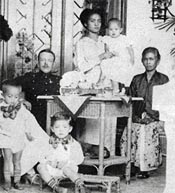
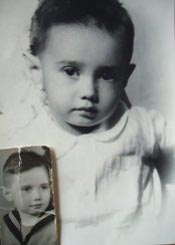
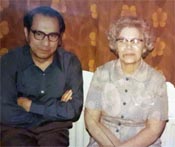
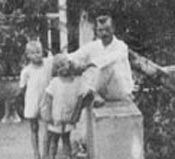
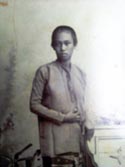
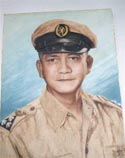
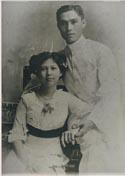
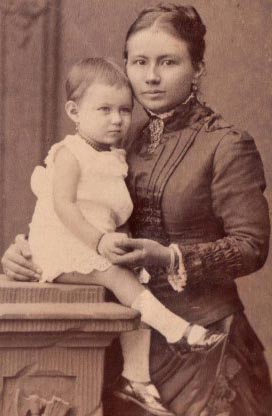
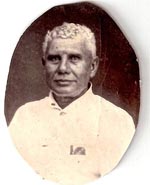
Many stories of Dutch Indonesians who left Indonesia shortly after Independence are lost in the passage of time. Legend has it that they went to Holland. But some found a second home, or perhaps a third, in the USA. Michael Hillis, (foto) a part-time teacher and history buff who resides in Portland, Oregon, estimates there are around 200,000 Dutch Indonesians, or Dutch Indos as they call themselves, living in the United States. “Not many people in America know about them,” Hillis, who is making a film about the Dutch Indos, told the Sunday Post during a recent research trip to Indonesia.
“They left Indonesia and headed to The Netherlands shortly after Independence. But when they got there, they faced racial issues.”
The Dutch Indos repatriated to Holland between 1945 and the 1960s. But it seemed that Dutch society was not ready for an influx of postwar Eurasians hailing from the former Dutch East Indies colony.
As Eurasians, the Dutch Indos’ physical features vary greatly, with some having blond hair and blue eyes, and others having a dark complexion and black eyes. Many of these were believed to be Hispanic immigrants and so faced racial slurs.
However, their ability to speak fluent Dutch raised questions from people who were not aware of their origins. Hillis said that the Dutch Indos simply answered that they had learned the language during the journey by ship.
“In my opinion, I think they probably realized that they had gone through terrible things,” he said. “They lost their homes and their money in Indonesia. On the other hand, they had to cope with new issues, such as eating potatoes, instead of rice, and racial issues.”
He said that after arriving in Holland, most Dutch Indos learned martial arts to defend themselves, such was the extent of the attacks on them. Unable to bear the continuing discrimination, an estimated 60,000 Dutch Indos immigrated to the United States in the 1960s.
“Once they arrived in the US, they took any kind of job they could get and they worked really hard,” Hillis said.
“For them, the US was a place where they could work and live in freedom. They did not have to worry about people trying to kill them.”
Nowadays, he said, the Dutch Indos in the United States are into their third generation; Los Angeles is home to the largest Dutch Indo community, with some 100,000 people.
The first generation of Dutch Indos still speak Dutch, as it was the language they were born with, Hillis said, adding they also speak Indonesian because they spent a lot of time with their nannies, servants and helpers.
“Most of the first generation came from wealthy families. They used to have 10 maids in their houses. When they reached the US, they decided that they had to make it there so they learned English. Most of them are around 80 years old now,” he said.
“These people would have loved to stay in Indonesia but they had no choice, they had to leave. Many of them still live in Holland but I believe there many who left for the US or perhaps other countries.”
Members of the second generation, now aged up to 60, speak English; the third generation, aged between 20 and 30, no longer speak Dutch and are unaware of their Dutch Indo roots.
The Dutch Indos quickly assimilated into their new country, marrying people outside the community; most never returned to Indonesia.
Hillis first came across the issue of the Dutch Indos when he read Jan A. Krancer’s The Defining Years of the Dutch East Indies 1942-1949. He contacted the writer, who introduced him to Bianca Dias-Halpert, a Dutch Indo residing in Seattle. Dias-Halpert invited Hillis to a Dutch Indo community gathering.
The Dutch Indo community often holds gatherings where they cook Indonesian food and do line dancing to Indonesian music played on small guitars, which, Hillis said, sounded to his ears like Hawaiian music. They also publish a bulletin about their community activities, all written in Dutch.
“When I first saw them, I was wondering who these people were,” Hillis said with a smile. “They look like Hispanic people, speak Dutch, eat Indonesian food and sing Hawaiian-like songs.”
As the younger generation immerse themselves into America’s melting pot multicultural society, the older Dutch Indos are concerned that the young ones will forget their roots.
As Hillis learned more about this concern, he was inspired to make a film about the Dutch Indos.
After Hillis met filmmaker Marlin Darrah, the project began. They financed it privately and invited selected people to invest in the project.
“I have a strong relationship with this movie, because I’m married to an Indonesian woman,” Hillis said. “I want my daughters to understand the history of Indonesia during hard times.”
Hillis said that the movie would paint a new picture of Indonesia for Americans, most of who know little about Indonesia apart from terrorism threats and Bali. He said that the movie would take audiences to the World War II base of American general Douglas MacArthur on Morotai Island, as well as to other places of interest.
“Most Americans know little about Indonesia. We hope this movie can show them that Indonesia and America have a historical relationship,” he said.
“We also want to see Garuda Indonesia flying to the US again. The US is the second largest country, Indonesia the third but there is no direct flight between these two countries.”
Hillis and Darrah visited Indonesia last December to do research. During their stay in Jakarta, they met and interviewed historian Des Alwi. They also met with a former Army official, who agreed to help with security during filming.
“We will begin filming in April, shoot for 35 days and leave for other shooting places in May,” Darrah said. “We plan to go to Holland to track down the Dutch Indo community there. Perhaps we will return to Indonesia in June for extra shots.”
Darrah, an experienced documentary filmmaker, said that the documentary would be shot in high definition format and would be 90 minutes long. He plans to submit it to this year’s Jakarta International Film Festival as well as to other international film festivals.
They also plan to distribute the movie through PBS, BBC and Discovery Channel.
“I think the film will help the Dutch Indos to be at peace with their past,” Hillis said. “They will be happy to see the film. It’s going to be a legacy, something they can pass on to their children.”


 ...................



































































 Indisch4ever
Sounds so familiar to my own experience .Born in 1937 repatriated in 1953 then migrated to Australia in 1959
Ja hoe begon het……olie embargo heeft er veel mee te maken.
Zelf ben ik in 1948 geboren in Soengei Gerong , Sumatra. Deze olieraffinaderij was doelwit van de eerste Japanse aanval. Mijn ouders woonden er toen het losbrak. Zij en mijn broer en zus zaten daarna in Jappenkampen in Sumatra en op Java
Dat waren toch heel naïve mensen. Dat zij ontheemd waren juist omdat de VS Nederland in de steek liet en dat Nederlands-Indië was aangevallen juist omdat Nederland het olie en rubber embargo tegen de Japanners in opdracht van de VS honoreerden, is toch evident. Het is alsof de Irakezen dankbaar gebruik maken van de migratie wetgeving van de VS nadat de vruchtbare sikkel tot stof is gebombardeerd door die zelfde Amerikanen. De tijd van Pax Americana, dat na WO2 tot gestalte kwam loopt ten einde. Ik kan er niet om rouwen.
Inderdaad.Sorry voor de verlate anwoord om day nu pas gelezen.
Mijn broer werkt heel gewoon in de USA.Bij de directie van XEROX.
Jouw broer?
Even: meen me te herinneren dat je meermalen hebt gezegd dat jij de laatste van je familie bent en dus ook de laatste erfgenaam van een oom, die recht zou hebben op achterstallig salaris en zo…?
Hij is in middels door een verkers ongeluk gestorven.
Indos here in the United States werken nog harder dan de Mohammedanen in Nederland en nog harder dan vele Nederlanders in Nederland. Kom maar hier Wal Suparmo en we zullen je laten zien dat “you work your ass off here in the United States”.
De Blanda totok houden meer van Mohammaden( Turken,Algareijen.Marocanen enz) dan Indo’s omdat ze harder en grofwerk wiilen/ kunnen doen.,
Lief Indië
Beelden uit mijn kinderjaren
uit het land van tropenzon
heel wat schoonheid mocht ik ervaren
tot de oorlog wreed begon.
Moest mijn Indië dra verlaten
ging op weg ver over zee
maar ik hou je in de gaten
liief schoon moederland tabeé’.
https://www.bing.com/videos/search?q=tanah+airku&&view=detail&mid=5BF9E906802976220DD05BF9E906802976220DD0&&FORM=VRDGAR
siBo
INDO here(The Netherlands), INDO there(USA and Indonesia), INDO everywhere (all over the world), just plain INDO (Euroasian) that’s what we are, jangan lupah, have a nice day, tell your children….and be proud.
Joty ter Kulve, omtrent uw vraag over informatie naar uw nichtje in Seattle.
Probeer het web-site http://www.zabasearch.com misschien kunt u daar haar adres vinden.
Arthur Olive
For those that seem to think Indische Nederlander translates into Dutch Indonesian or Indonesian Dutch, let me educate you.
I am Indies, have lived in the USA for 51 years, and am now a USA citizen.
I have never been an Indo, Dutch Indonesian, (some of us are German-Chinese) or heaven forbid Amerindo.
In 1945, the Governor General of the Netherlands East Indies informed Walter A. Foote, the American Consul General to Batavia, that we are not “Dutch” http://beeldbank.nationaalarchief.nl/viewer/schaduwarchief/2.22.21/47/1
see pg 2.
The Kingdom of the Netherlands has always called its citizens Netherlanders, and those who came from the former colony of Netherlands East Indies, Indies Netherlanders.
We are NOT “Dutch,” but Indies Netherlanders.
Indonesia is a sovereign state. We have never held citizenship in that country, nor have chosen to become citizens in that country (wisely so, some may think).
We are NOT Indonesian.
We are NOT Dutch Indonesian.
I fully understand the meaning of the word INDO. I am not militant and am grateful for the repatriation (consider the alternative) and as such, don’t take pride in that “Geuzen naam.”
The use of the word Indo, meaning “onerkend,” “not European through the male parent” during the early years of colonization of the Indies, already became confusing with the 2nd generation of Indos. With the “gelijkstelling van de onerkenden” in the 1800s, that word became outdated.
We, as a people, have inherited dike breaks and Krakatao, have a wonderful history of exploration, “discovering” distant lands, flora and fauna.
A history of Trade, Spices, Cultivation of new crops, Mapping the Archipelago, and much, much more.
We are bilingual, and almost had our own language (still have it some say), have our own cuisine “Rijst Tafel,” music Indo Rock.
We have experienced “de Uittoch,” discrimination, loss of family, and have our own sorrows (and sense of humor). In short, we have our own Culture/Ethnicity.
The word Amerindo is CUTE, CUTE, CUTE. ( Is there also Hollindo, Belindo, Luxeindo, Beneluxindo or is it Eurindo?)
I prefer to have the more dignified INDIES NETHERLANDER / Netherlands Indies …, over the cutesy “Amerindo” or the American vernacular of Dutch Indonesian.
The word to describe our ethnicity should reflect our journey through the former colony.
Now that I’m a US citizen I call myself a Netherlands East Indies American/NEI American.
I tell people that I was born in the former colony of the Netherlands East Indies and educate them.
(I’m NOT from Indoland or Dutch Indonesia )
I almost feel I should apologize for giving you’ll an earful.
Connie J
Well, like it or not. I’m just like many of us an Indo in SoCal, proud SoCal Indo, Indies Netherlander ??? Why make it so hard to educate people, majority of people here in The US even don’t know where The Netherlands are let alone Dutch East Indies, Indo, with our roots to be found in the Dutch East Indies, now know as Indonesia….
Dit is een discussie uit 2010 !!! Snap er de ballen van ,wat verwarrend ,what confusing ,apa yang membingungkan !
Tolol, gelijk heb je! Indo RUWET!
Gewoon niet op de datum gelet.
@ConnieJohnson; I’m NOT from …’- You’re the missing link! (between the Netherlands and Indonesia)
Ha ha ,Ja schokkend wat een ontdekking heeft u gedaan hr Mertens ,opzienbarend ! De Media zullen zich hier de komende dagen wel als wolven op werpen .The missing link eindelijk te voor schijn gekomen ,historisch dat dhr Mertens dit ontdekt heeft ,dit is van grotere betekenis dan de ontdekking van het graf van Toet an Amon (!)
@Tolol ( betoel) zegt: 13 juni 2018 om 07:20 Dit is een discussie uit 2010 !!! Snap er de ballen van ,wat verwarrend ,what confusing ,apa yang membingungkan !@
— Jaren later zal iemand het wel hebben over een generasi @stom geboren, suf gezoogd@ vermouth ik . . . 😀
Je bedoelt het graf van Kentut Tawon! Een grootse ontdekking ja!
Yes, I’m in agreement with A. Pieters and C. van Balgooy and not very happy with M. Hillis’ comments and ideas.
There is something you must know in order to understand where this man is coming from. He is of northern European descent, married to a Balinese woman and they have two lovely daughters. When they lived on Bali, elderly Indonesian people would pinch the girls cheeks and say, “beautiful girls, these Orang Indo”.
In the USA people often say I’m Swedish or French etc. even if there forefathers came here in the 1700s, and they themselves hold no citizenship in those countries nor speak that language.
M. Hillis wants his daughters to have an ethnic identity and therefore decided that his daughters were Indos.
I’m certain that by now he has heard from many Indischen that we have a well rooted culture and identity.
What I find disturbing about his views are that he picks and chooses to accentuate what “Orang Indo” means.
It apparently pains him to describe Indonesia and Indonesians in an unfavorable way and often comes across as “Dutch = bad, Indonesian = good”.
With all the controversy M. Hillis experienced, I’m not certain that he still on this film making project. You may find more info on this subject by contacting the board of directors of The Indo Project, website: theindoproject.org.
I must say in M. Hillis’ defense that if Indies Netherlanders or Netherlands East Indies American,
NEI Americans, would not call themselves Indos there would not have been such a confusion.
The word Indo is inappropriate and outdated, we as a group are no longer “niet erkend/geen Nederlandse staatsburger, or defiant of, or in need to protest, a discriminatory Netherlands government.
The “Indo” magazine however, since that magazine was created in the beginning of the USA immigration/1960s, after the turbulant years in the Netherland should keep that name and it should become part of the NEI American experience.
Met Vriendelijke Groet,
Connie Johnson.
A.Landy,
Ask your question at this site:
http://www.theindoproject.org/
This site is related to the filmmakers
A.Landy,
Ask your question at this site:
http://www.theindoproject.org/
This site is related to the filmmakers
Hello,
I don’t speak Dutch so am hoping this entry won’t get lost in the ether.
I’ve been following this story ever since I came across the article in Jakarta Post. Can anyone tell me if the documentary film was finished? Or even the title? Nowhere was this mentioned.
Thanking in advance,
A. Landy
asthorre@yahoo.com
Hills needs to educate himself first in our Indo History before making a film…
By the way, Indo people learned to speak Dutch in school way before the Japanese Occupation, on a boat from Indonesia to Holland…. that’s an insult !
Kan iemand mij helpen aan het e-mail adres van M. Hillis. Ik heb een nichtje van mij die woont in Seattle of omgeving en ik ben haar adres kwijtgeraakt.Misschien kent hij haar wel, :Joty ter Kulve
M. Hillis denkt dat hij de alwetende mens is. Het is tragisch maar waar.
Bedankt Pieters voor je commentaar. Ik had het niet beter kunnen zeggen/schrijven.
Maar zo komen verhalen (geschiedenis) in de wereld.
Cap – Ja, ik woon in Amerika.
Ik begrijp waarom men zich afvraagt waar Michael Hillis zijn feiten van daan krijgt. Maar kan het zijn dat hij het over de Dutch Indo heeft in plaats van de Indo omdat wij Indo Blanda worden genoemd in Indonesia?
Without sarcasm, I have to say that I think this article is poorly written with a rather elementary style of story telling. The kind that does not possess gut level knowledge or empathy, but, rather, a superficial kind of intrigue. Like a five year old’s story about, say, their Opa (And then they left their country. And then they had to eat potatoes. And then they moved to America. And then….And then….)
Why ask “Indonesiers”? Why not gather all the first hand eyewitness accounts from Indos, of all that Indos had to go through? Including the tremendous insults after all their sufferings. Not just, by the Hollander, but the rest of the world too. Not forgetting the UN and US themselves with their drawing of the San Francisco Peace Treaty, to the detriment of the Indos. All for their own political agenda.
Worst than not being recognized is to be wrongly imaged. Hurry, visit all the elderly Indos with their wealth of knowledge and information and before “historians” become necessary.
THAT, I would call an honorable service to us, the Indo.
I, wholeheartedly, agree with Mr. Anton Pieters and other of a like mind.
AGAIN, SOME STRANGER IS TRYING TO MAKE US WHAT WE ARE NOT. STOP ALREADY!
100% TRUE!
Hello Anton Pieters,
Yes… there was and is some discrimination in the Netherlands.
Back then in de fifties Dutch people weren’t used to see dark and asiatic faces.
However.. the article exaggerated the situation.
It suggests that mr Hillis did the exaggerating, but it is possible that the journalist used his owns words.
To whom it may concern.
With dismay I read the above article about “Indo’s (sic) in the USA”. I am not only frightened but appalled, outraged and full of resentments by the erroneous and ignorant comments of Mr. Michael Hillis as appears in Jakarta Post.
How in the world, is it possible that a person who does not know anything about the history of “Nederlands-Indie” and in specific the “Dutch Indos” is producing (making) a film about a very complicated subject.
It sounds from the quotations of Mr. Michael Hillis above, that we will have a film or documentary about the Indos which is a total insult to this interracial group of people of European and Indonesian ethnicity.
It sounds here the blind is leading the blind. Another insult to injury. I was thinking about the insult I heard one day on public T.V.
This movie actress whose Dutch mother was interned 1941-1945. The brutal including ethnicity cleansing (crime against humanity) years committed by the soldiers of criminal imperial jap military against the Dutch (Indo… to use your phrase).
This movie actress claimed on National TV that during the 2nd world war that the japs protected Dutch girls from being raped by the Indonesian people.
I was stunned and shocked. I was totally numb from head to toe when I heard this garbage.
By the way there is not such a word as “Dutch Indos”. The word is just plain Indo. You have Indos of Dutch, English, French, German, Irish, Spanish, Italian and Armenian ancestry etc.
The word Indo was taken or was used after, I believe,the word Indo Europeaan.
“Legend has it that they went to Holland”. With all due respect it is “not” a legend. It is a fact that many repatriated before and after the independence of Indonesia to the Netherlands.
*Repatriation means going back to ones own country (remember you had to have a Dutch passport).
There may have existed some racial issues. But there were many other issues at hand.
The Netherlands is a very dense populated country, had and has, I am sure there still is a big housing problem.
Many Dutch citizens who were already living in the Netherlands before the repatriation from Indonesia were on waiting lists for housing. Some were on these lists for many many years.
Is it not a wonder that these people who were for years on the waiting lists, were very angry, when they saw that the just arrived Dutch citizens* were given priority.’
* After all in order to repatriate to Holland one had to be a Dutch citizen with a valid Dutch passport.
The consumption of garlic eg. by people who came from the far east is just a normal thing. The people who were born and raised in the Netherlands for many generations used very little if any, garlic in their food.
Garlic as we all know produces a very offensive (no matter how many times one brushes his teeth)odor. Especially the day after the consumption. It simply reeks.
The socio-economic situation was another important factor.
I can sum up many more examples, and they have nothing to do with racial over tones.
So to blame all the misgivings that we as “Indos” encountered in the Netherlands were not all due to racial discrimination.
Because of the horrendous housing problems that existed, the Dutch Government with the help of two Americans Mr.Pastore and Mr. Walter (one a senator and the other was a representative thus a congressman.)
This Pastore-Walter Act enabled “Indos” to emigrate to the US with the least amount of red tape (still within the US emigration laws).
Many took advantage of the special Act.But “not” because they were discriminated in the Netherlands!
Also “not because they were not living in freedom.
Certainly also “not because we were killed in the Netherlands.
What a total absurdity. Just plain garbage! Personally I find it extremely offensive, painful and reckless for some one to produce a film of a subject he knows almost nothing about. Utterly ridiculous. What a nonsense.
Sure there were some who left the Netherlands because they felt they were being discriminated. The majority saw it differently.
Emigration was and still is very much promoted by the Dutch Government.
The issue of leaving the Netherlands too is as complicated as the whole “Indo” issue
I will not go into Us politics. But one thing I will say it was the US through the United Nations that told us to get out of Indonesia.
Rightfully so but the consequences that went with this were never properly handled.
Compensation for loss of real and personal property were never considered and taking into account. Just to mention an important factor. What a tragedy a cheap sell out for sure.
Going back to my dismay, it may very well be better for the honorable Mr. Michael Hillis to make documentary about another subject.
If his wife is of Indonesian ancestry what better would it be producing a film about people with a common bond. Born in Indonesia of different ethnicity.
I hope if Mr. Hillis still decide to produce a documentary about “Indos” that he will not only consult many “Indos” here in the States as well as in the Netherlands or maybe even “Indos” who are residing in the beautiful country Indonesia.
Another must, not only consult but hire some “Indos” of different walk of life and different socio-economic background. The older generation to assist with this endeavor is another requirement.
We come as diversified as any group of people. It is much too much important to the greater majority of us to see that a correct documentary is produced.
Lots and lots of proper research needs to be done. Not only interviewing people of interest. Researching books,articles, and thesis papers that were authored by not only prominent “Indo writers”
But to produce, make a film or documentary about a very very difficult and most important part of history for the “Indos”, in a jiffy and without proper research is to me very callous and irresponsible.
Last but not least I will “not” live in peace. How can I if a story is misrepresented and distorted. Please I cannot bear to see this being aired by BBC, PBS and others. At least not the way he was quoted in the Jakarta Post.
Sincerely yours A. Pieters.
Er is een klein groep Orang Indo’ s in Surabaya .
Ze hebben een clubje , alleen zijn ze aan het uitsterven.
Ze nemen zelf genoegen met nieuwe aanwinst die geen Indo of Indisch achtergrond hebben , maar omdat ze oooit nederlandse opleiding (zoals H.I.S etc)hebben gevolgd.
Kijk even bij een bevriende site :
http://indonesie.actieforum.com/geschiedenis-f11/indo-s-in-indonesia-de-laatsten-der-mohikanen-t2047.htm
Dit artikel heeft best veel reacties op de jakartapost-site .
En de meeste zijn van buiten Indonesië.
Wat mij ook opvalt is dat op het internet dit artikel wordt doorgestuurd in fw-mails.
Ik heb 3 van zulke mails gehad.
Er is een behoefte om de geschiedenis van Indische Nederlanders te kennen en door te vertellen en in Amerika bijvoorbeeld spitst men dat toe op de geschiedenis van amerindo’s in Amerika.
Ik mis nog een beweging te Indonesië zelf..
Indo’s die de schaamte van ‘koloniaal’-zijn overwinnen en op zoek gaan naar hun specifieke geschiedenis
Jammer is dat zovelen onder de 60 jaar geen Nederlands kunnen lezen.. Er is best veel te vinden op het internet over het Indische, maar meestal in het Nederlands
ohja, dit is de link naar wikipedia met vrij uitgebreide bronvermeldingen…
http://en.wikipedia.org/wiki/Indo_people
Goh.. ik heb dit net doorgestuurd naar enkele Amerikaase Vodegels die ik de voorbije jaren via internet gevonden heb en naar een nicht van mijn vader die daar ook woont. En wat ik me zo kan herinneren, ook uit een artikel dat jaren geleden in de Moessons was verschenen … het ging echt niet alleen om zogeheten rijke families. Maar het is ook maar hoe je daar tegen aankijkt. Bij zowel mijn vader als mijn moeder waren er vroeger bedienden en kindermeisjes aan huis en inderdaad, nooit meer dan 1 of 2.
En er is meer familie naar de VS vertrokken, in de jaren 60. Gewoon omdat ze of hun ouders in Indie al VS-georienteerd waren door de cultuur, de muziek, de films. Ook mijn ouders hadden veel Amerikaanse ‘dingen’, de rock n roll, Elvis, de speelfilms en idolen… hun jeugd sterk beinvloed door de Amerikaanse cultuur toen ze hier in Nederland opgroeiden, jaren 50. Zelfs als het gaat om de geschiedenis van de Nederlandse popmuziek wordt de Indorock eigenlijk als basis genoemd…
Ik heb zelf een aantal jongeren in de VS gevonden die zich door bv Pentjak Silat te beoefenen kunnen identificeren met hun roots en achtergrond. Dat is zelfs hier in Nederland normaal, eigenlijk. Het is een stukje cultuur, heeft (naar mijn idee) niet zozeer te maken met een drang naar zelfverdediging. Pentjak Silat is toch veel meer dan dat, in wezen? Maar ik herinner me ook wel, zo in begin van de jaren 70, dat het wel erg stoer was … en toen waren er in de stad nog geregeld vechtpartijen tussen de diverse etnische groepen, Italianen-Turken-Molukkers-Indo’s- kampers … deels voor de lol, deels “serieus” …
The Jakarta Post kreeg reacties op dit artikel
Ik moest hier wel om lachen:
When I first saw them, I was wondering who these people were,” Hillis said with a smile. “They look like Hispanic people, speak Dutch, eat Indonesian food and sing Hawaiian-like songs.”
Ik denk weer terug aan die Indische jachtverhalen. Die “grooo…te”tjelengs die werden geschoten! En toen al.
Cijfers zijn cijfers , men kan altijd nachecken of het waar is.
Als de cijfers waar waren , dan kan men zeggen dat bijna 1/4 of 1/3 van de 1ste generatie Indische Nederlanders voor de 2de keer moeten verhuizen voordat ze hun draai kunnen vinden.
——
Er waren 3 groepen :
1.Een groep die van te voren min of meer wist wat haar te wachten stond.
2.met een onrealistische hoge verwachtingen
3.een groep die in begin van haar verblijf zware tegenslagen hadden.
*En toen arriveerden we in het gedeelte v.d stad dat nu zo populair is.
In die tijd was het een achterbuurt.Onze etage was boven een pakhuis.Het was zo vies in het trappenhuis , maar ook in onze woonruimte.
En toen moest ik weer huilen.
De waterleidingen .De Waterleidingen waren verstopt en toen we naar bed gingen -onze eerste nacht in dat huis -zakte het bed door .
De eerste jaren in Amerika waren niet makkelijk , mensen moeten hard werken om hun achterstand als immigrant in te halen .
Het niet Amerikaanse staatsburgerschap , de Nederlandse diploma’ s , het beperkte school Engels dat men sprak en de onbekendheid met Amerikaanse omgangvormen , maakten dat de Indische migranten werk moesten accepteren dat ze in Indie en in Nederland niet gewnd waren geweest.
Carol Annink uit Het Onbekende Vaderland ISBN 90-1206700 6
BV – Als je iets begint moet alles groot zijn anders kijkt niemand. Dus niet een babu maar 10 babus en niet 10.000 Indos maar 100.000. 200.000 kan ook.
Cap.
Nou.. uit de verhalen van mensen die ik ken kom ik nooit tot 10 á 9 bediendes fulltime in het huishouden.
Die rijke families zijn er zeker wel geweest, maar echt niet de grote meerderheid van Indische families…
Mijn grootouders 1 of 2 baboe’s fulltime en een tuinjongen part-time.
Mijn ouders hadden een baboe zo rond 1948 . Maar nooit meer dan 1 begreep ik.
Maar Willems had het over twee golven van elk 30.000 ?
Ik zit met het getal van 30.000 en verder niks dan..
In dat geval van 60.000 is 200.000 van die groep met hun nazaten best realistisch.
Are there any Amerindo’s in the audience, who can tell more..
100.000 Indischen&anaks in the L.A-area… is this realistic ?
Buru, de grootste groep Indos buiten NL woont in SoCal, dus das best veel!!!!!
Effe vergeten.
Over het leren van al die Pentjak of Kempo cq Karate is ook waar .
Ik heb jarenlang tussen de oudere 2de Generatie Indische jongens gewoond en samen uitgegaan .
Nu zijn ze in de buurt van 75 jarigen.
De meesten zitten vaak bij Kempo of Pentjak , want als je met een Gadjah (olifant) of Badak (neushoorn) moet vechten ben je bijvoorbaat al verloren.
Moet je maar proberen om te winnen tegen een Blanda van bijna 2 meter lang .
Ben je bijvoorbaat al verloren .
Als je karate of kempo kan , kan het soms lukken.
Heb diverse matpartijen in en buiten discotheken meegemaakt als toeschouwer , en vanuit een afstand.Veel van die oude vrienden hadden meestal 1e dan of meer .
Het gebeurde voordat de “blanken” Bruce Lee hadden gevonden.
De eerste 60.000 Amerindo’ s kan wel kloppen.
Tussen 1953-1962 waren 30.000 1ste generatie (ndische Nederlanders (= kinderen) geemigreerd , gebruik maken van de Amerikaanse speciale immigratie wergeving , tbv refugees & displaced persons.
Door Refugee Relief Act van 1953 , Pastore- Walter Act I van 1958 en Act II van 1960 kunnen de Ind.Nederlanders naar Amerika gaan.
Tussen 1965-1973 gingen 30.000 (de 2de golf) naar Ametika , dankzij het odheffen van de quota en sponsoring van de 1ste golf eehebben 30.000
Bron :
Het onbekende vaderland (Wim Willems en Leo Lucassen.
Over de rijke afkomst met 10 bediende is mss een beetje overdreven.
Een Indische van goede huize zal op zijn minst 1 kebon(tuinman = eigenlijk tukang kebon) , baboe tjutji ,baboe dalem , 1 kokkie al dan niet met haar assistente= genduk , de supir , en de algemene assistent ( de huis katjoeng). En dan de kindermeisje , de djahit (huisnaaister)
Ik kom op ongeveer bijna 9 .
En je heb nog niet eens over het personeel van de buitenverblijven.
In Poentjak , Tretes of Salabintana etc.
dutch indo’s
*60.000 naar Amerika gegaan?
*100.000 wonen in L.A. area?
*200.000 in USA ?
* meestal van rijke afkomst,velen hadden wel 10 bedienden ?
Vind ik toch wel overdreven cijfers
Dan ergens de vage… vage suggestie dat indo’s vechtsport gingen doen vanwege racistische aanvallen in Nederland.. Eerder waren die aanvallen in Indonesië
Over dit citaat van Hills:
“For them, the US was a place where they could work and live in freedom. They did not have to worry about people trying to kill them.”
In vergelijking met Indonesië , jaa.. maar zoals het is weggezet in het artikel ( door de journalist?) is het alsof men in Nederland wel extra bang moest zijn…. en in de USA niet.
Des Alwi is een bekende Indonesiër
Maar … veel succes met de film en ik hoop dat men die ook in Nederland gaat vertonen…
Boeroeng…. alias Blauwvogeltje
Amazing I live right there, but never heard of Hillis or Darah let alone Des Alwi.
Cap.